Mumbai — The city that never finishes
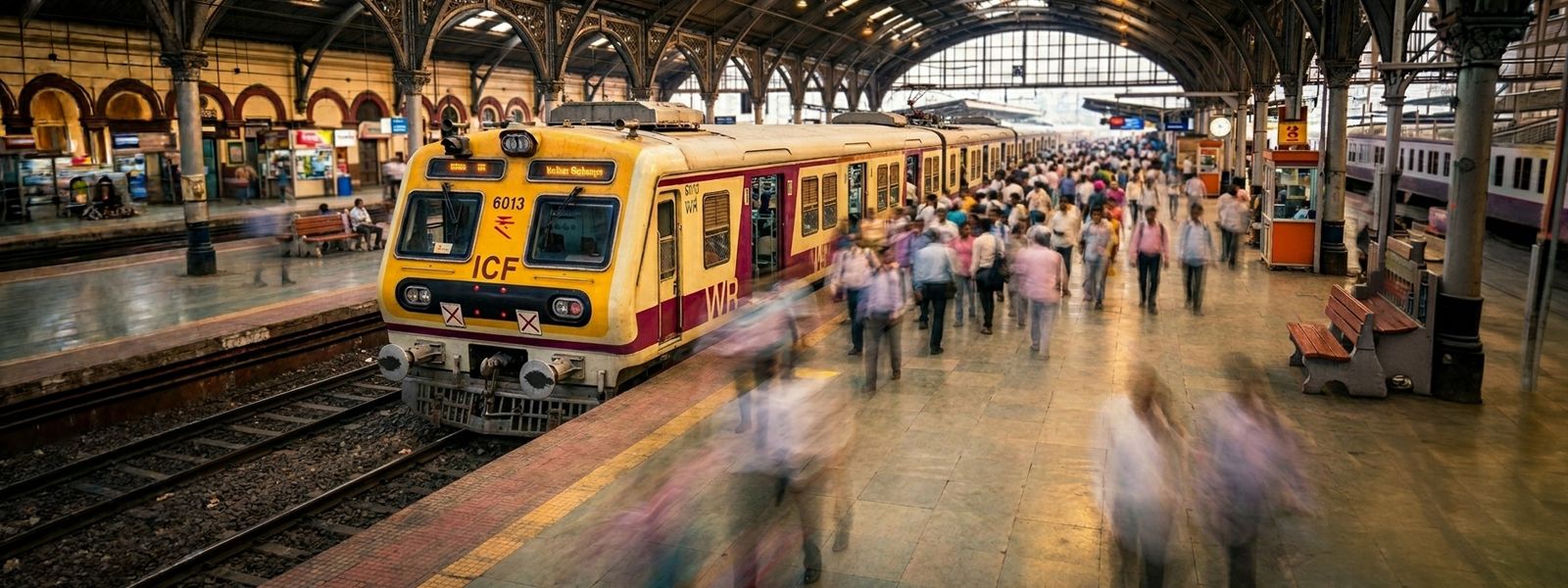
No city in the world prepares you for Mumbai. It is vast, layered, contradictory, and completely alive — a place where Victorian Gothic architecture stands beside glass towers, where a street food vendor operates feet from a five-star hotel, and where the world's most efficient lunch delivery network runs entirely on bicycles and local trains.
Stand at the Gateway of India at dawn, before the crowds arrive, and the harbor opens up in front of you — the Arabian Sea flat and grey, fishing boats heading out, the great arch framing a view that has defined this city's relationship with the world since 1924. Across the esplanade, the Taj Mahal Palace Hotel — completed in 1903, burned and rebuilt, bombed and restored — faces the water with the quiet confidence of a building that has survived everything the city has thrown at it.
The Mumbai Dabbawallas are one of the city's great organizational miracles. Every working day, approximately 5,000 dabbawallas collect home-cooked lunches from suburban kitchens and deliver them to offices across the city — navigating the local train network with a color-coded system that achieves a Six Sigma error rate without a single computer. Harvard Business School has studied them. Forbes has rated their logistics. They remain entirely unmoved by the attention.
Between October and May, Thane Creek — on the city's northeastern edge — hosts tens of thousands of lesser flamingos migrating down from Gujarat. They gather on the tidal mudflats, visible from certain vantage points against the backdrop of the Bandra-Worli Sea Link. It is one of Mumbai's least-known wildlife spectacles, and one of its most surreal — pink birds in a petrochemical harbor, existing entirely on their own terms.
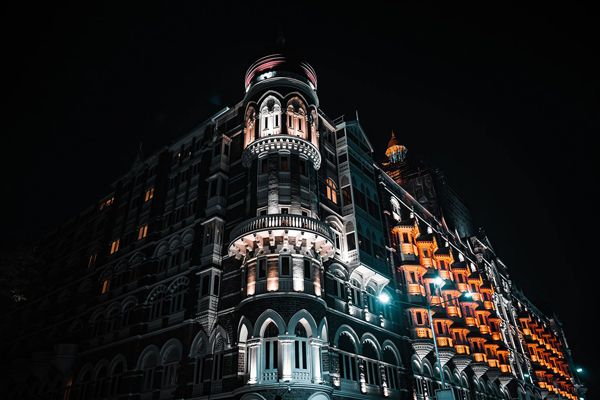
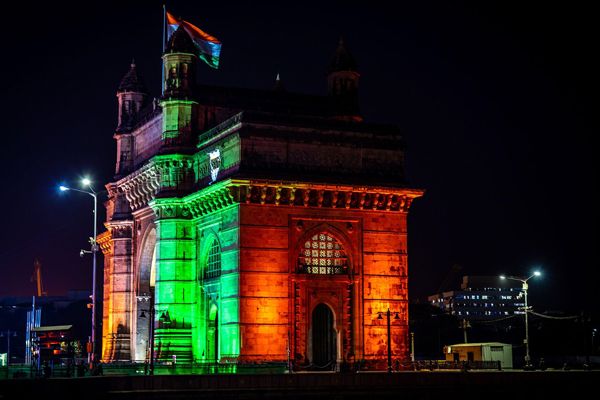
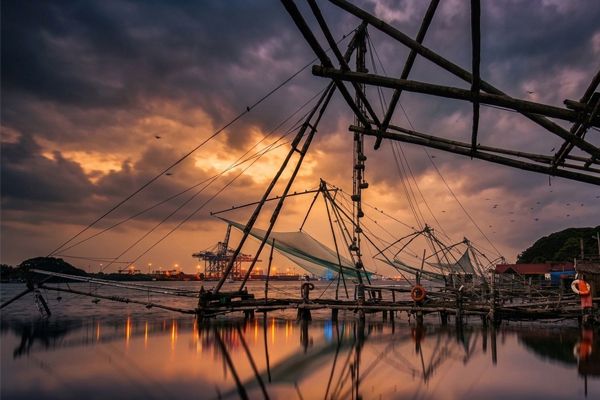
Left to right: The Taj Mahal Palace Hotel — Mumbai's most enduring landmark; the Gateway of India at dawn; and the Chinese fishing nets of Fort Kochi, Kerala — a cantilevered system brought to India by traders from the court of Kublai Khan in the 14th century.
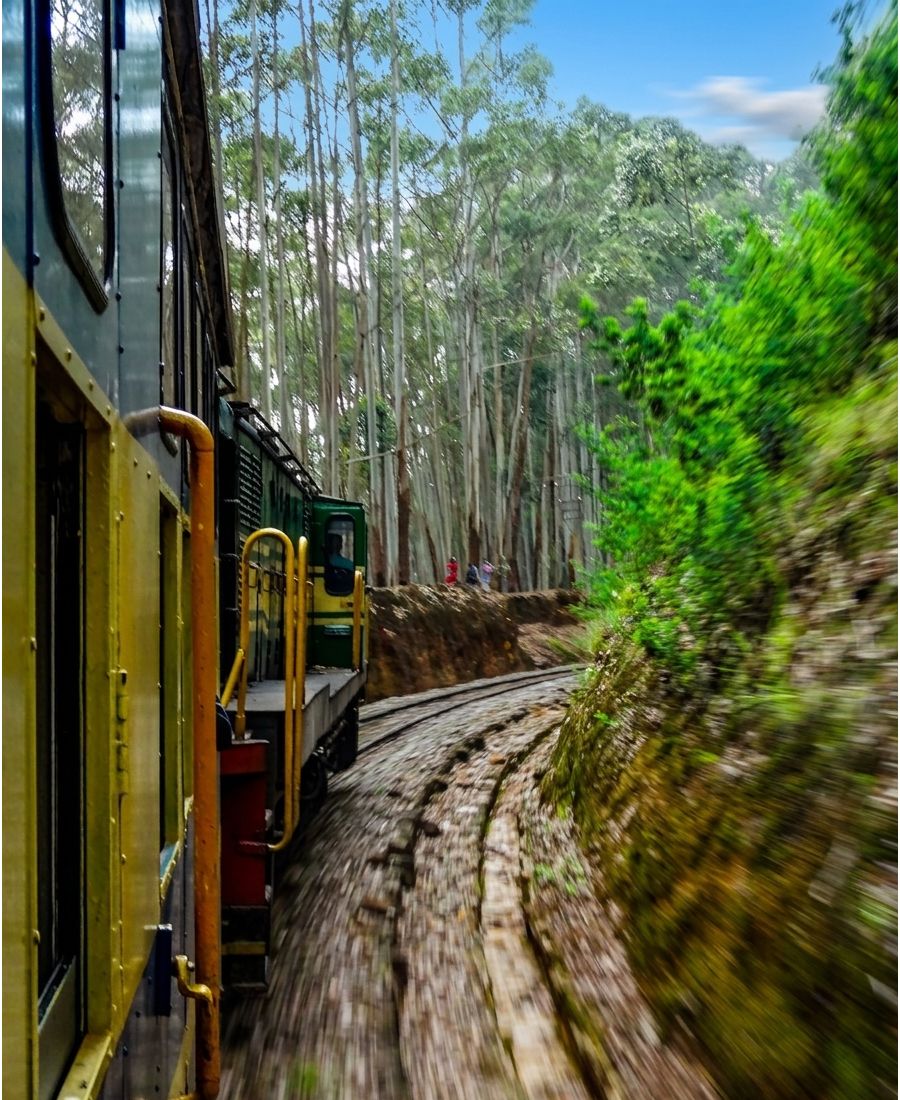
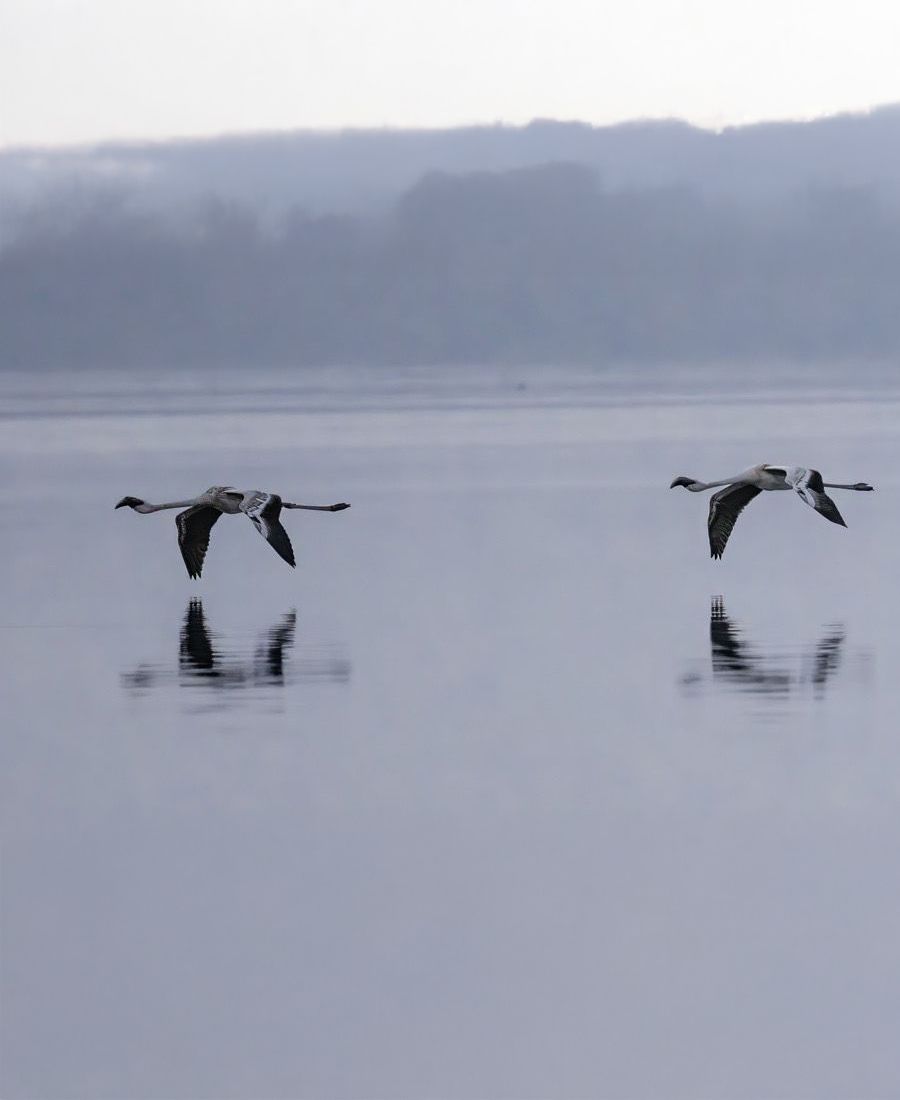
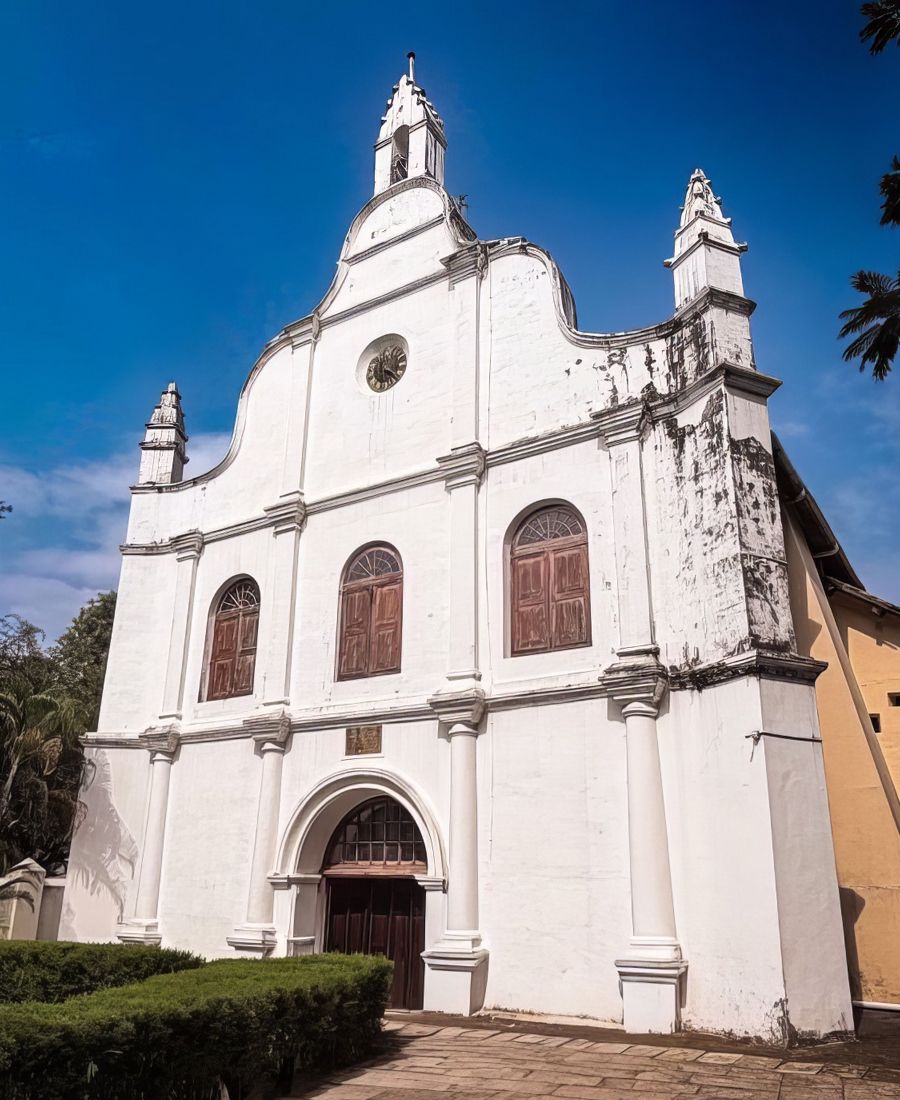
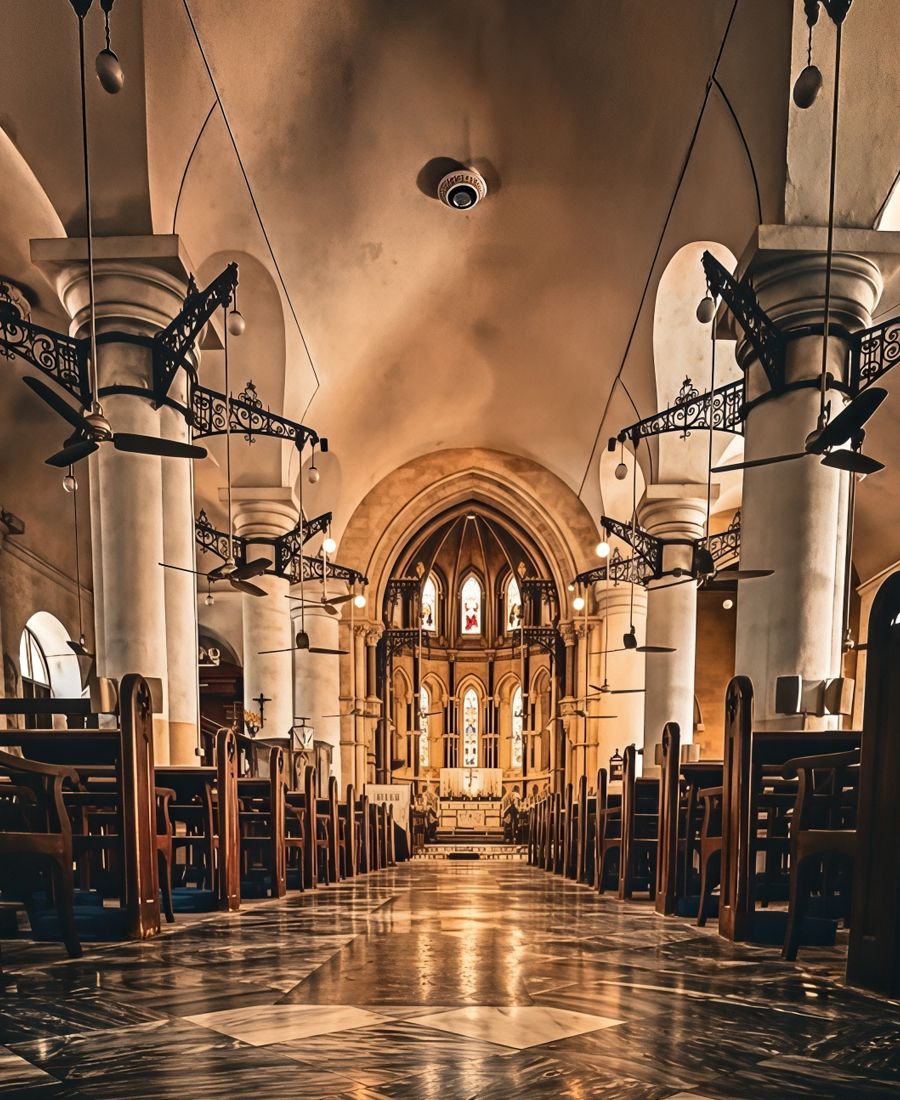
Left: The Nilgiri Mountain Railway — a UNESCO World Heritage narrow-gauge train that has climbed from Mettupalayam to Ooty through 16 tunnels and 250 bridges since 1908. Top right: Lesser flamingos on Thane Creek, Mumbai. Middle right: St Francis Church, Fort Kochi — built in 1503, the oldest European church in India, where Vasco da Gama was briefly buried. Bottom right: St Thomas Cathedral, Mumbai — built in 1718, the oldest British-built church in the city.
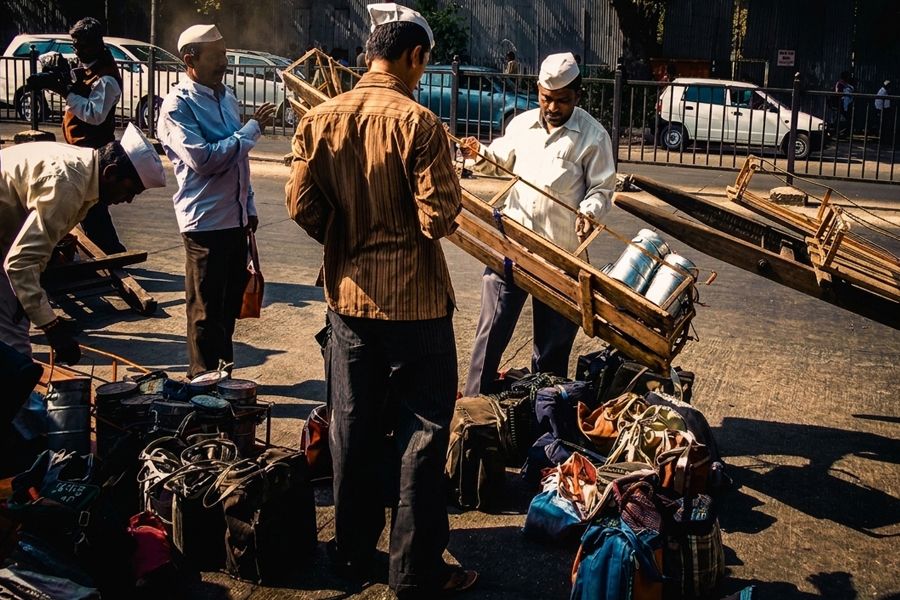
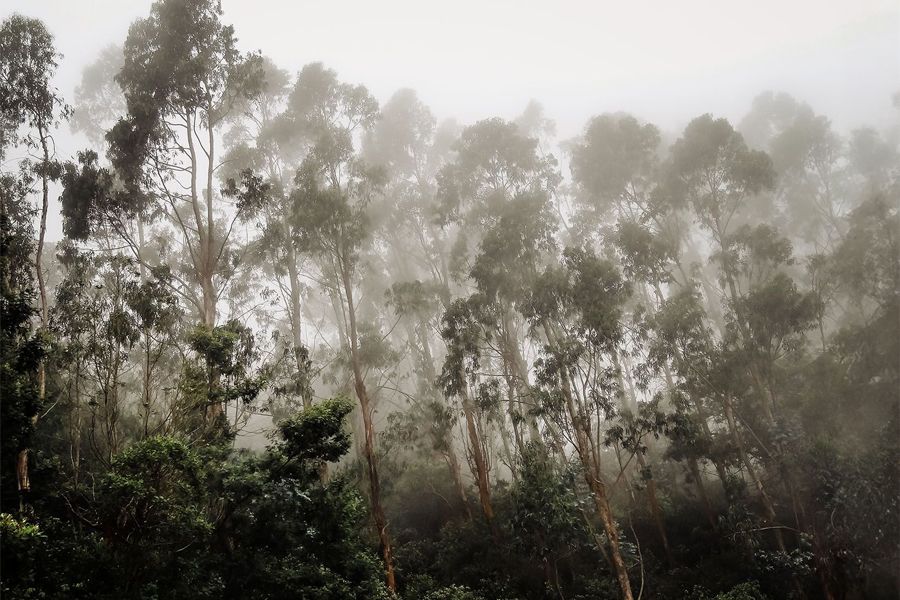
Left: The Dabbawallas at work — one of the world's most studied logistics systems, operating entirely without technology. Right: Nilgiri eucalyptus trees emerging from morning fog near Ooty — one of the great visual experiences of the South Indian hill country.
The South — Where India exhales
Cross the Vindhya Range and something shifts. The pace softens, the food changes register entirely, and the landscapes become something the north rarely prepares you for. The Nilgiri Hills, the Deccan Plateau, and the Malabar Coast are India on a different frequency.
The tea estates of Munnar in Kerala's high country are among the most visually striking agricultural landscapes in Asia — terraced rows of tea climbing the hillsides in every shade of green, often shrouded in morning mist that burns off slowly to reveal the peaks beyond. The Nilgiri Hills around Ooty offer a similar landscape in Tamil Nadu — cooler, quieter, the air scented with eucalyptus from the forests the colonial planters introduced.
In Mysore, the Amba Vilas Palace illuminates at dusk with 98,000 bulbs — a spectacle that defies adequate description and rewards the photographer who arrives before the crowds at the viewing steps outside the gates. The light on the walls at the moment of illumination, when the palace shifts from stone to gold in an instant, is one of India's great photographic set pieces.
Further south, the Sri Aurobindo Ashram in Pondicherry offers one of the most quietly powerful spiritual experiences in India — a French colonial town with an unexpected contemplative center, where the streets are lined with bougainvillea and the pace of life operates at a frequency the rest of the country rarely reaches.
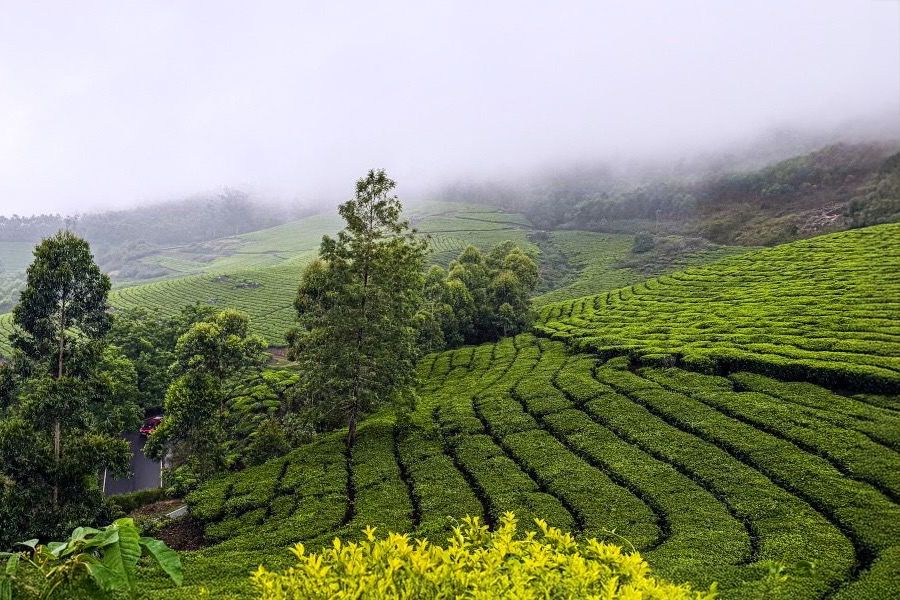
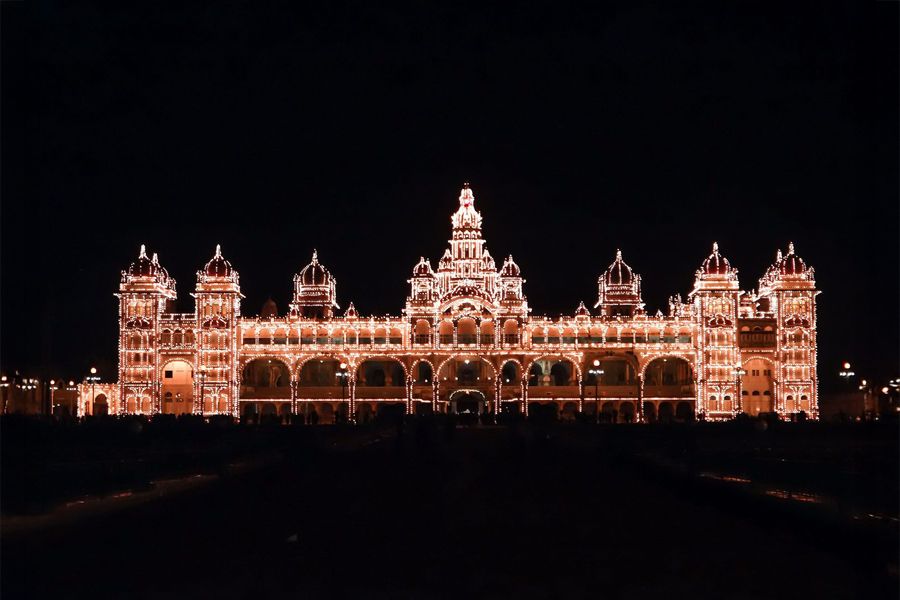
Left: The tea terraces of Munnar, Kerala — one of Asia's most visually striking agricultural landscapes. Right: Mysore Palace at dusk — 98,000 bulbs illuminate simultaneously at the moment of lighting, one of India's great photographic set pieces.
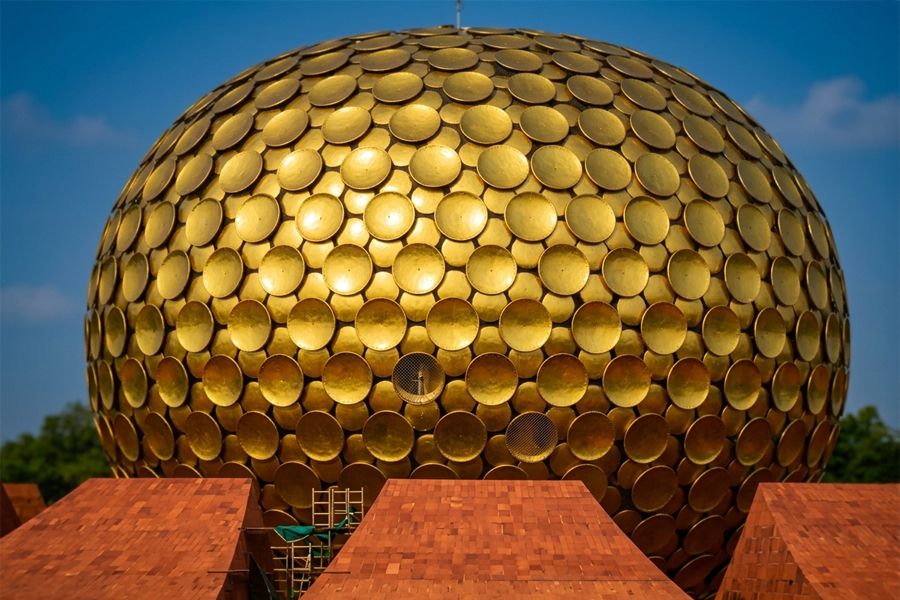
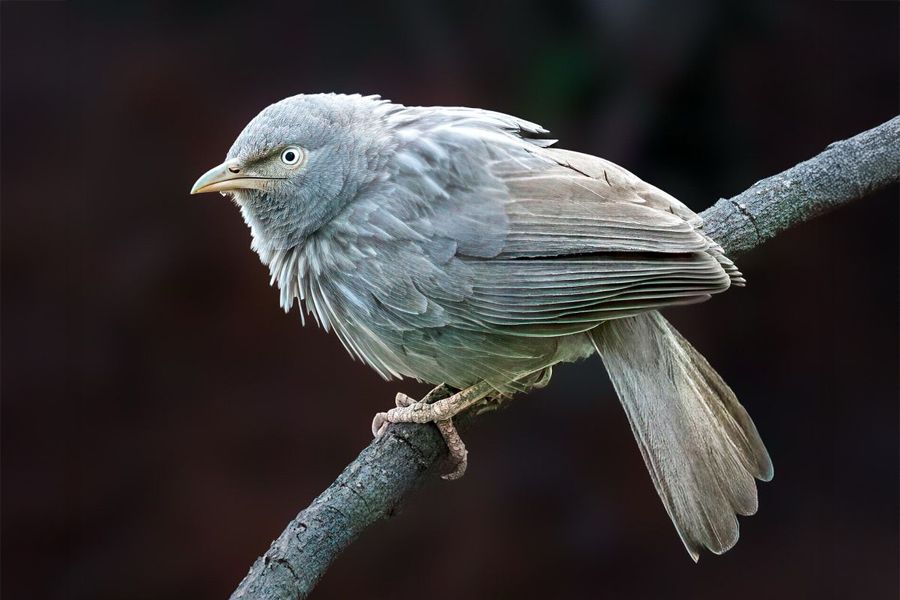
Left: The Sri Aurobindo Ashram in Pondicherry — a contemplative center in a French colonial town where the pace of life operates at a frequency the rest of India rarely reaches. Right: The Jungle Babbler — known colloquially as the "Seven Sisters" because they almost always move in groups of seven, noisy and utterly unconcerned by human presence.
Kerala — God's Own Country, lived slowly
Kerala operates at a different tempo to the rest of India — unhurried, green, and possessed of a quiet confidence that comes from centuries of trade, literacy, and the knowledge that it sits at the end of the world's most storied spice route.
Fort Kochi is one of the great layered places of India — a neighborhood where Portuguese, Dutch, British, Jewish, and Chinese histories have deposited architecture on top of each other for five centuries, and where the result is somehow coherent. St Francis Church, built in 1503, is the oldest European church in India, where Vasco da Gama was briefly buried before his remains were returned to Lisbon. The Chinese fishing nets — enormous cantilevered structures on teak and bamboo poles — arrived with traders from the court of Kublai Khan in the 14th century and have barely changed since.
From Kochi, the backwater journey to Alleppey by houseboat is one of the great slow-travel experiences in Asia. The Kerala lagoon system — a network of lakes, rivers, and canals running parallel to the coast — is navigated by traditional rice barges converted into floating guesthouses. Spend a night aboard. Wake before dawn. The early light on the water, with egrets lifting from the banks and local fishermen already at work, is the most peaceful morning India offers.
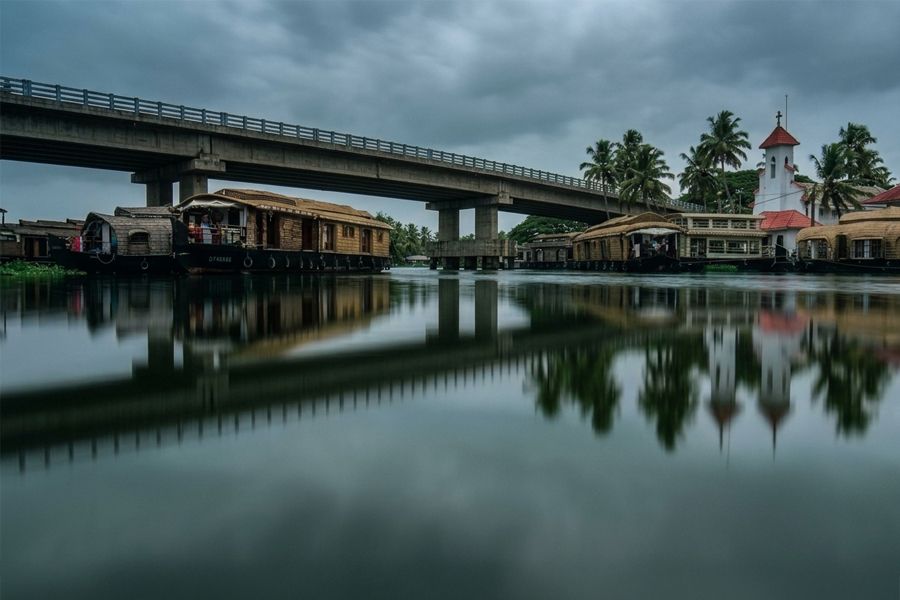
A houseboat drifting through the Alleppey backwaters at dusk — one of Asia's great slow-travel experiences. Wake before dawn aboard one of these converted rice barges and the early light on the water is the most peaceful morning India offers.
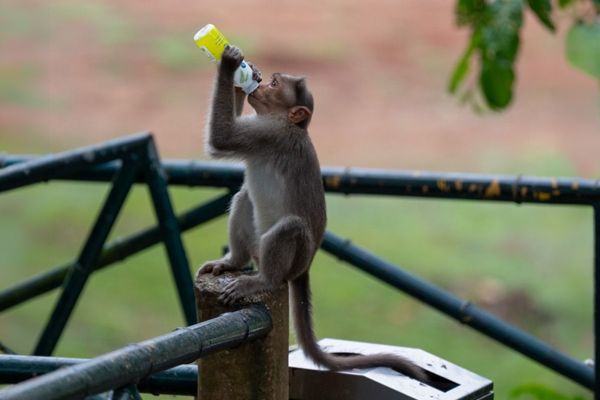
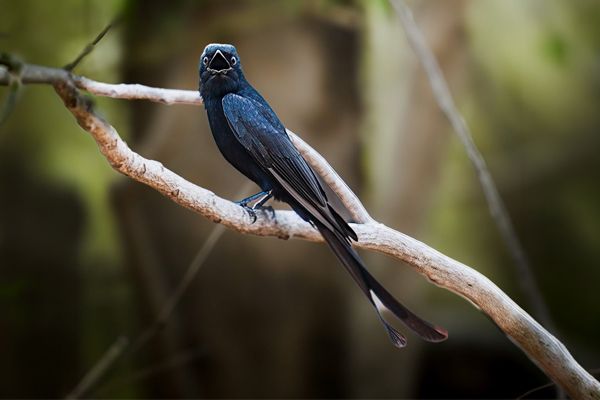
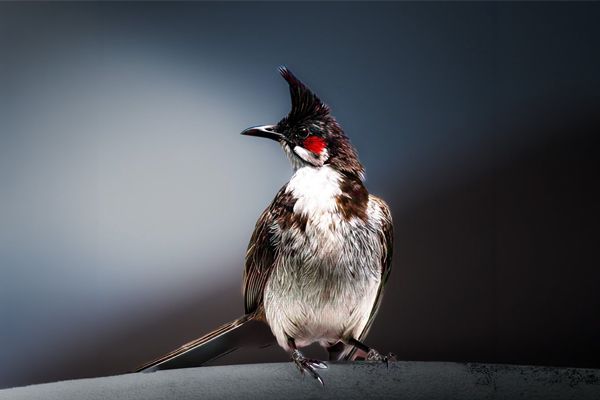
The wildlife of South India that stops you mid-stride. Left to right: The Bonnet Macaque — endemic to the Indian subcontinent and found from street markets to forest edges; the Black Drongo — the forest's aerial acrobat, notorious for stealing food from much larger birds; and the Red-Whiskered Bulbul — one of India's most elegantly marked common birds.
Tadoba & Pench — In tiger country
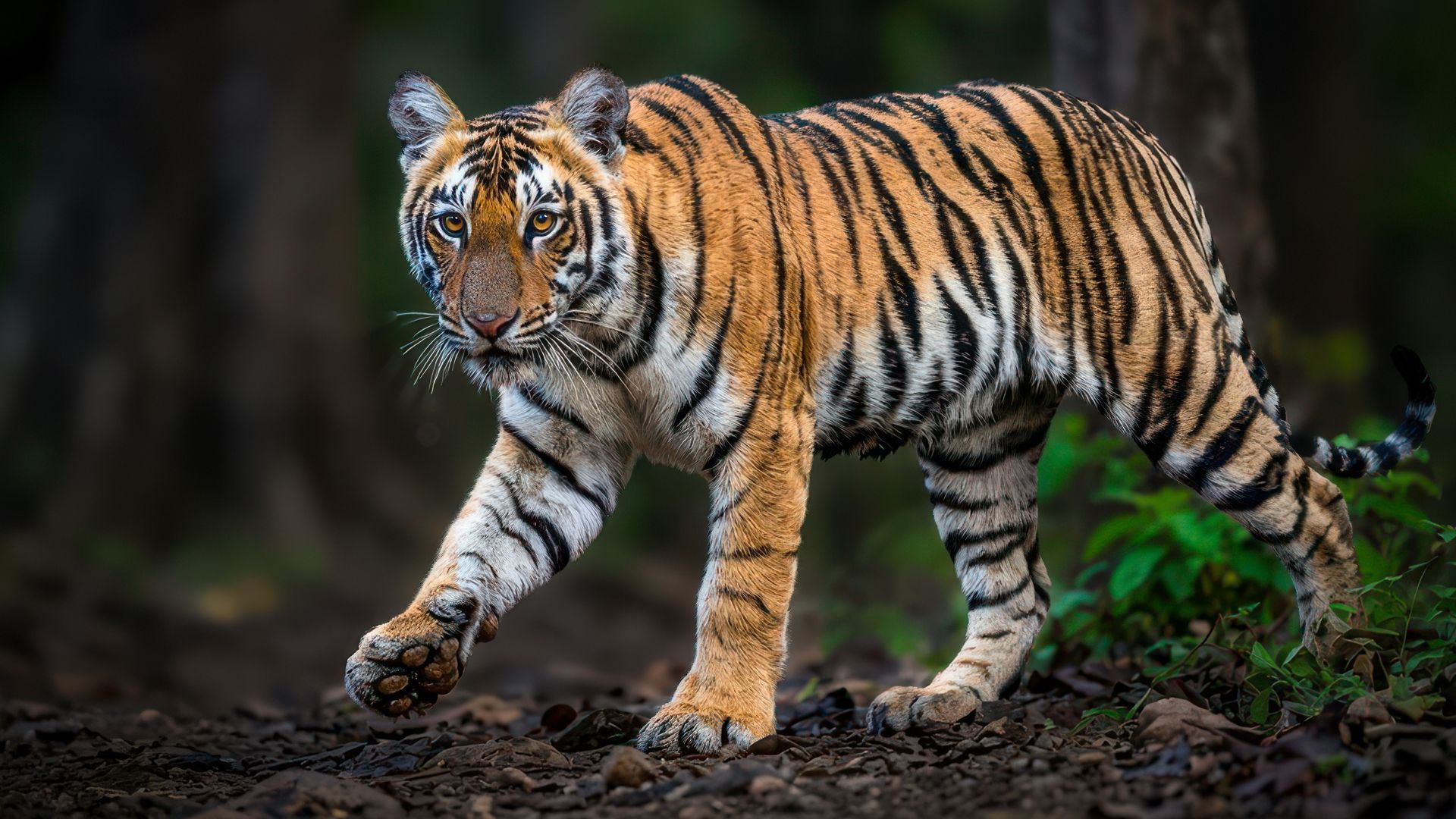
The jeep stops. The guide raises his hand. In the teak forest ahead, barely 30 meters away, a Bengal tiger sits in a shaft of morning light, watching you watch her. Everything you thought you understood about wildlife encounters reconfigures in that moment. This is why you came to India.
Tadoba-Andhari Tiger Reserve in Maharashtra has one of the highest tiger densities in India, and during the summer months — when the waterholes are the only water for miles — sightings become almost predictable. Almost. The tiger known as Mama, a dominant female in Tadoba's core zone, has raised multiple litters in the reserve and is known for her comfort around safari vehicles. A sighting of her — unhurried, completely indifferent — is one of the defining wildlife experiences of the Indian subcontinent.
Pench National Park in Madhya Pradesh was the inspiration for Kipling's Jungle Book, and the teak and sal forest still carries that quality — open enough to see movement, dense enough to keep secrets. India now has over 3,167 wild tigers, the result of decades of conservation effort under Project Tiger. Tadoba and Pench are among the reserves that have contributed most significantly to that recovery.
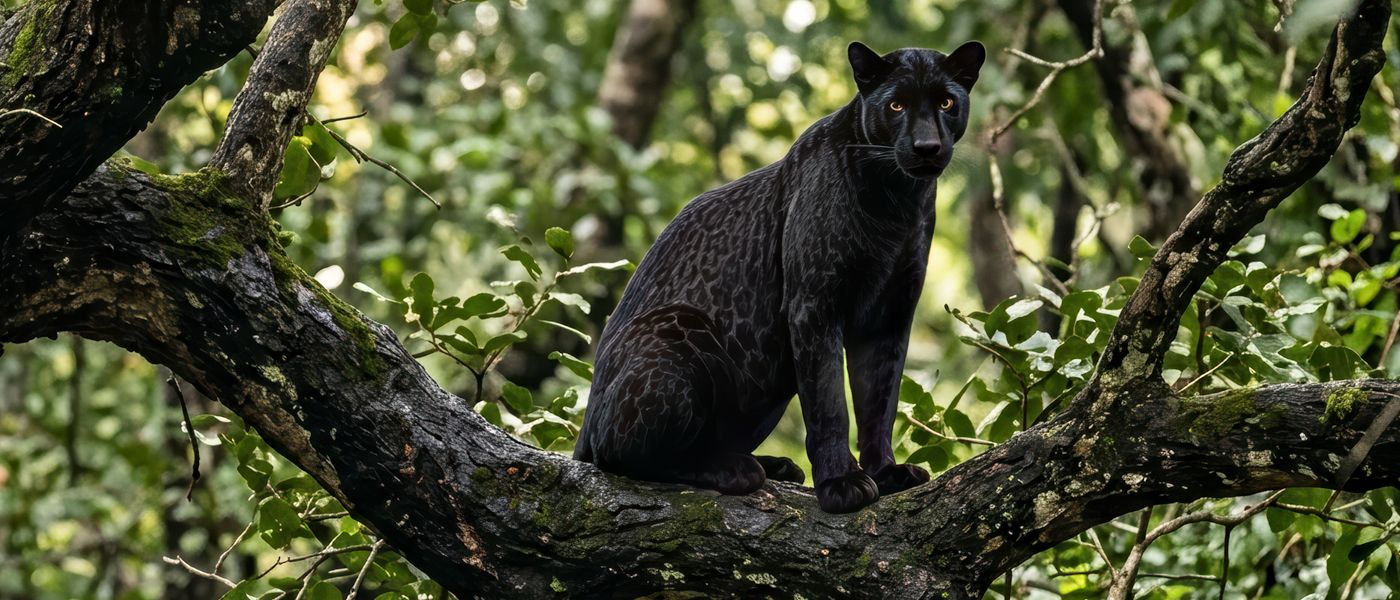
But the headline species is not the only story. Indian Gaur — the world's largest wild bovine — move through the forest with a ghostlike quiet that belies their size. Gray Langurs play sentinel from the canopy, their alarm calls alerting every creature below to the presence of a predator. The Indian Roller and Indian Peafowl provide color so vivid they seem artificially rendered. And in the darkness of the forest, something that India's forests have kept secret for years — the Black Leopard of Tadoba.
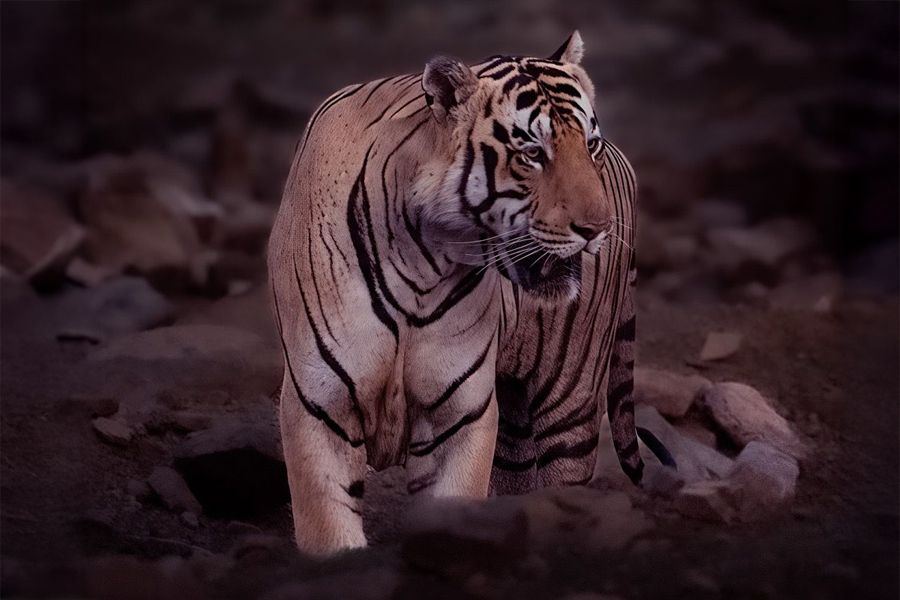
Left: The tigress known as Mama in Tadoba — one of the reserve's dominant females, photographed in the early morning light that makes the teak forest briefly golden. Right: The Taj Mahal Palace Hotel, Mumbai — the city that frames every India expedition, and the destination most visitors leave last.
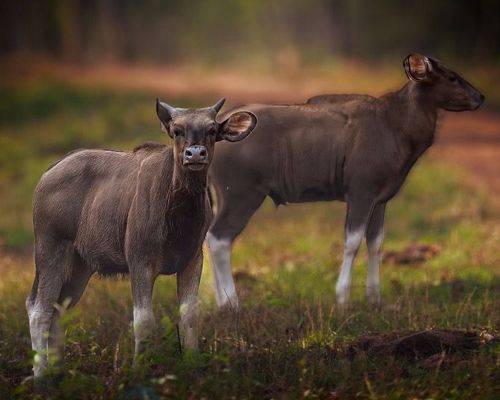
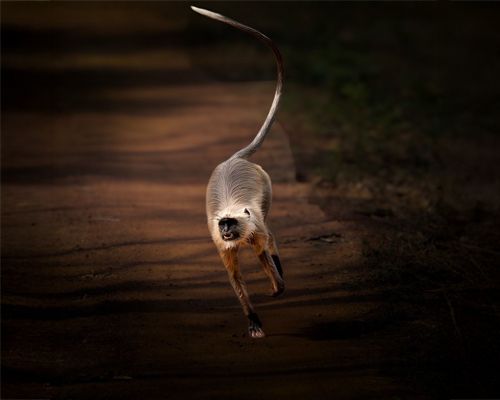
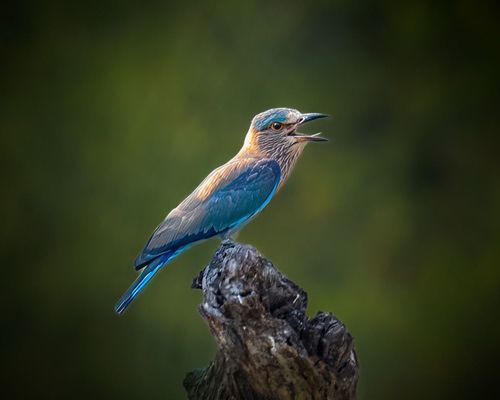
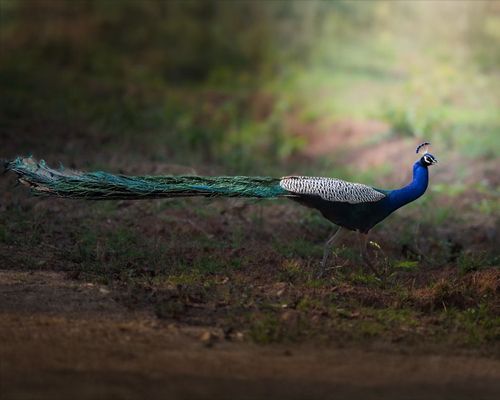
The supporting cast of the Indian forest. Left to right: The Indian Gaur, the world's largest wild bovine, moving through the teak forest with improbable silence; the Gray Langur, the forest's early warning system; the Indian Roller, whose name understates its iridescent blue plumage; and the Indian Peafowl — India's national bird, and in full display, one of the most spectacular visual performances in the animal kingdom.
India does not offer a single story. It offers ten thousand — and every time you return, it has quietly written a few more. The only honest response is to keep coming back.
Experience India
through Jango's lens
From tiger safaris in Tadoba and Pench to the backwaters of Kerala and the colonial layers of Mumbai — guided photography expeditions designed for photographers who want depth over distance.
Inquire About a Workshop More Destinations